When we were young, we often ate lard and rapeseed oil
As you grow up,
Appeared peanut oil, corn oil, blended oil
And olive oil from abroad,
Various, dazzling
Uut healthy and high quality
That's still "camellia oil"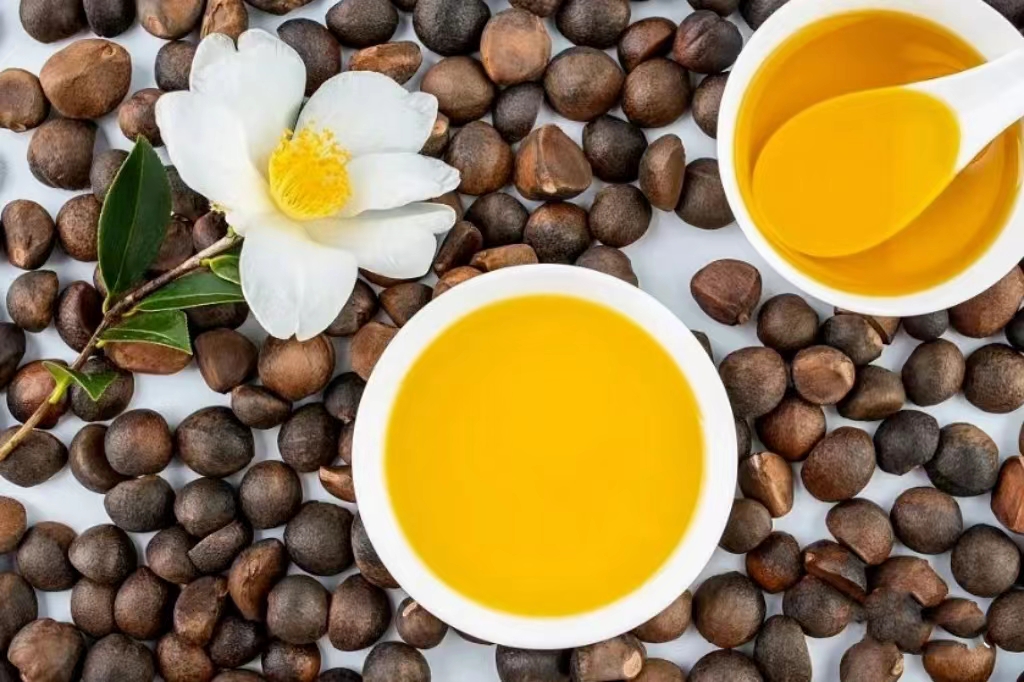
Camellia oil does not contain erucic acid, cholesterol, Aspergillus flavus and other additives, and contains more than 90% unsaturated fatty acids, and is rich in protein and vitamins A, B, D, E, especially the rich linolenic acid it contains Required and cannot be synthesized.
Regarding tea oil, there are camellia oil, tea tree oil, and tea seed oil on the market. The names of these three oils are very similar. Some friends may think that it is the same oil, but it is not.
01 tea tree oil
Let's take a look at tea tree oil first. The word "tea tree oil" sounds related to tea oil at first glance, but it has nothing to do with it.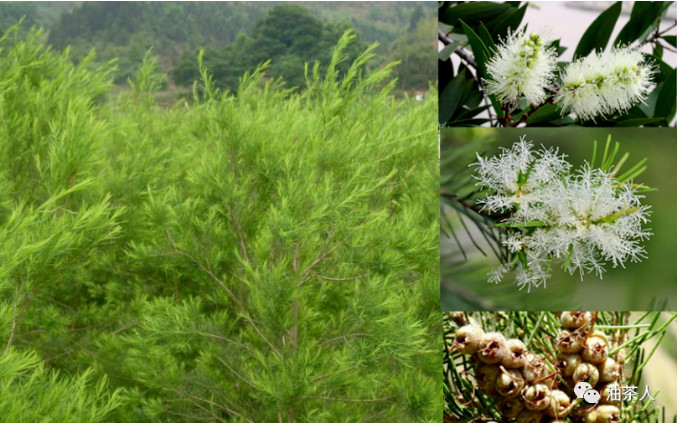
In 1770, when British Captain Cook landed in Australia during a voyage, he discovered that the local Maori picked a strong-smelling leaf to make tea, so they called this plant "tea tree".
In fact, it is native to the southern part of Queensland, Australia, and to the northern coast of New South Wales, Melaleuca alternifolia. From a botanical point of view, tea tree oil should be called Melaleuca alternifolia oil.
Tea tree oil is a kind of essential oil with camphor taste, light yellow to transparent in color, with characteristic aroma and antibacterial, anti-inflammatory, insect repellent and acaricidal effects. No pollution, no corrosion, strong permeability. But tea tree oil is not edible.
02 tea seed oil
To say that the tea seed oil that is most easily confused with camellia oil is none other than tea seed oil. We often refer to camellia oil and tea seed oil collectively as "tea oil". In fact, their concepts are completely different.

Tea seed oil is the fruit of the tea tree that people drink tea in autumn, and the product is squeezed out. Tea seed oil has only started in recent years. Tea seed oil is also called green tea oil, and camellia oil is also known as "camellia seed oil, camellia oleifera" Seed oil. It has nothing to do with tea seed oil.
03 Camellia oil
Camellia oil has a table history of more than 2,000 years. When we say tea oil, we usually refer to camellia oil.
Although the camellia oleifera and the tea seed oil tree belong to the family Theaceae, they are very similar in plant shape, branching habit, bud leaf characteristics, and flower structure, but they belong to different plants. For a long time, tea seed oil trees have been planted mainly to obtain tea leaves, and tea seed oil is only a by-product of tea seed tree production. It is difficult to make breakthroughs in simply virgin crude oil with "black spines".
Different from the tea seed oil tree, the Camellia oleifera tree is planted for oil extraction. Camellia oleifera, together with olive trees, oil palm trees, and coconut trees, is known as the world's four largest woody edible oil plants, ancient and original.


