From flowering to harvesting the following year, the fruit of the camellia tree undergoes the nourishment of clouds and mist through five seasons: winter, spring, summer, autumn, and winter again. It is known in folk tradition as "carrying a child in pregnancy" and can be called a miraculous fruit. The oil extracted from the fruit is called tea oil or camellia oil.Camellia oil's greatest advantage lies in its pure naturalness and lack of pollution. It contains no erucic acid, cholesterol, aflatoxin, or other substances harmful to the human body. It has a golden or light yellow color, is of pure quality, clear and transparent, has a fragrant aroma, and a pure taste. It is a pure natural woody edible vegetable oil promoted by the Chinese government and is the first recommended health-care edible vegetable oil by the Food and Agriculture Organization of the United Nations.
The *Compendium of Materia Medica* records: "Tea seeds are bitter, cold, and fragrant; they are used to treat asthma and cough, and to remove impurities."
The *Supplement to the Compendium of Materia Medica* records: "Tea oil can lubricate the intestines, cleanse the stomach, detoxify, and kill bacteria."
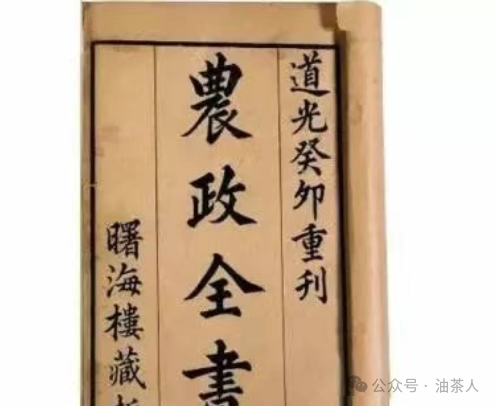
The *Complete Treatise on Agriculture* records: "Tea oil can treat hemorrhoids and relieve damp-heat."
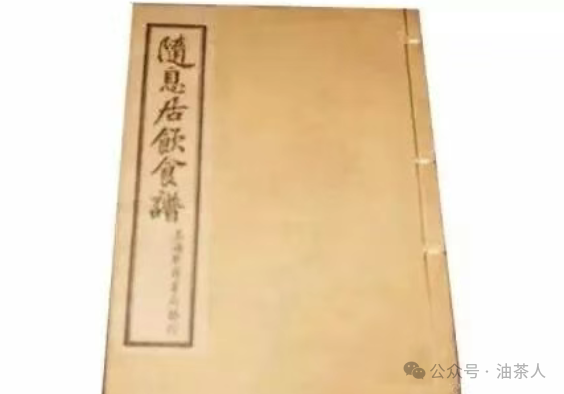
The *Dietary Guide for Home Retreats* records: "Tea oil can moisturize dryness, clear heat, calm wind, and benefit the head and eyes. It is suitable for cooking and daily use, and is not contraindicated for any ailment."
The *Chinese Pharmacopoeia* (1995 edition) includes tea oil as a medicinal oil. Because tea oil is rich in various nutrients, it has excellent effects both internally and externally.


