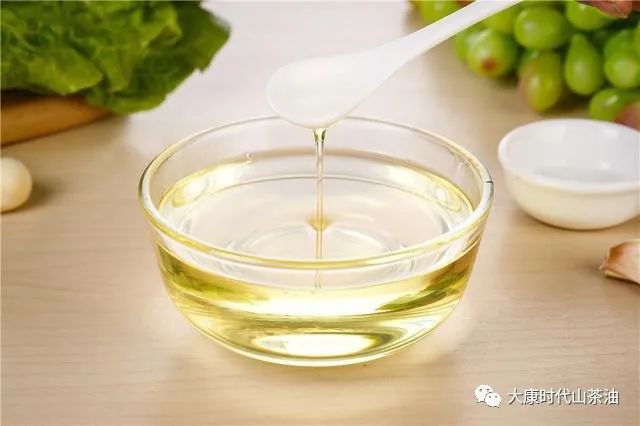
Camellia oil is well-known and is a very rare nutritious edible oil. Camellia oleifera has a long growth cycle. Compared with other oils, camellia oil has a low output. In addition to pure camellia oil, there are also blended oil and low-quality camellia oil in the market, which confuse fake with real and shoddy.
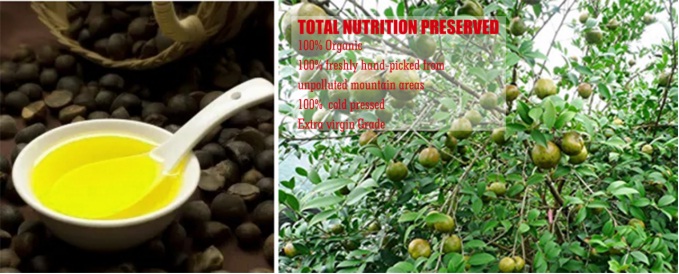
How should we choose camellia oil?
1.Look at the classification of camellia oil
Camellia oil can generally be divided into:
Primary camellia oil, i.e. crude oil;
Pressing camellia oil, that is, camellia oil obtained by pressing method;
Leaching camellia oil, that is, camellia oil obtained by leaching method;
Pharmaceutical injection grade camellia oil is the highest grade oil obtained through physical purification according to the pharmaceutical production process standards.
Among them, the crude oil is the first extracted camellia oil, which is not purified and is not recommended for direct consumption. Medical injection grade camellia oil is specially used for medical injection and cosmetics.
2. see processing technology and grade
Processing technology
There are three common processing techniques of camellia oil: soil pressing method, pressing method and leaching method. The pressing method is divided into low-temperature cold pressing and hot pressing.
The soil pressing method refers to the camellia oil obtained by the traditional pressing method in the camellia oil producing area. The soil pressing oil is only filtered and belongs to the first pressed camellia oil, which has a strong flavor.
Pressing method refers to the pure Camellia oil obtained by physical pressing and physical refining. The low-temperature cold pressing method has high requirements for the process. Although the oil yield is low, it retains the inherent nutrients of camellia oil to a high extent.
Leaching method refers to soaking raw materials with chemical solvent, extracting the oil from the raw materials, and then separating the oil and solvent through refining process to obtain camellia oil. The extraction rate of tea oil is high, but chemical solvents may destroy some nutrients of camellia oil.
Generally speaking, physical pressing camellia oil is preferred because it contains trace active substances higher than leached oil.
Grade
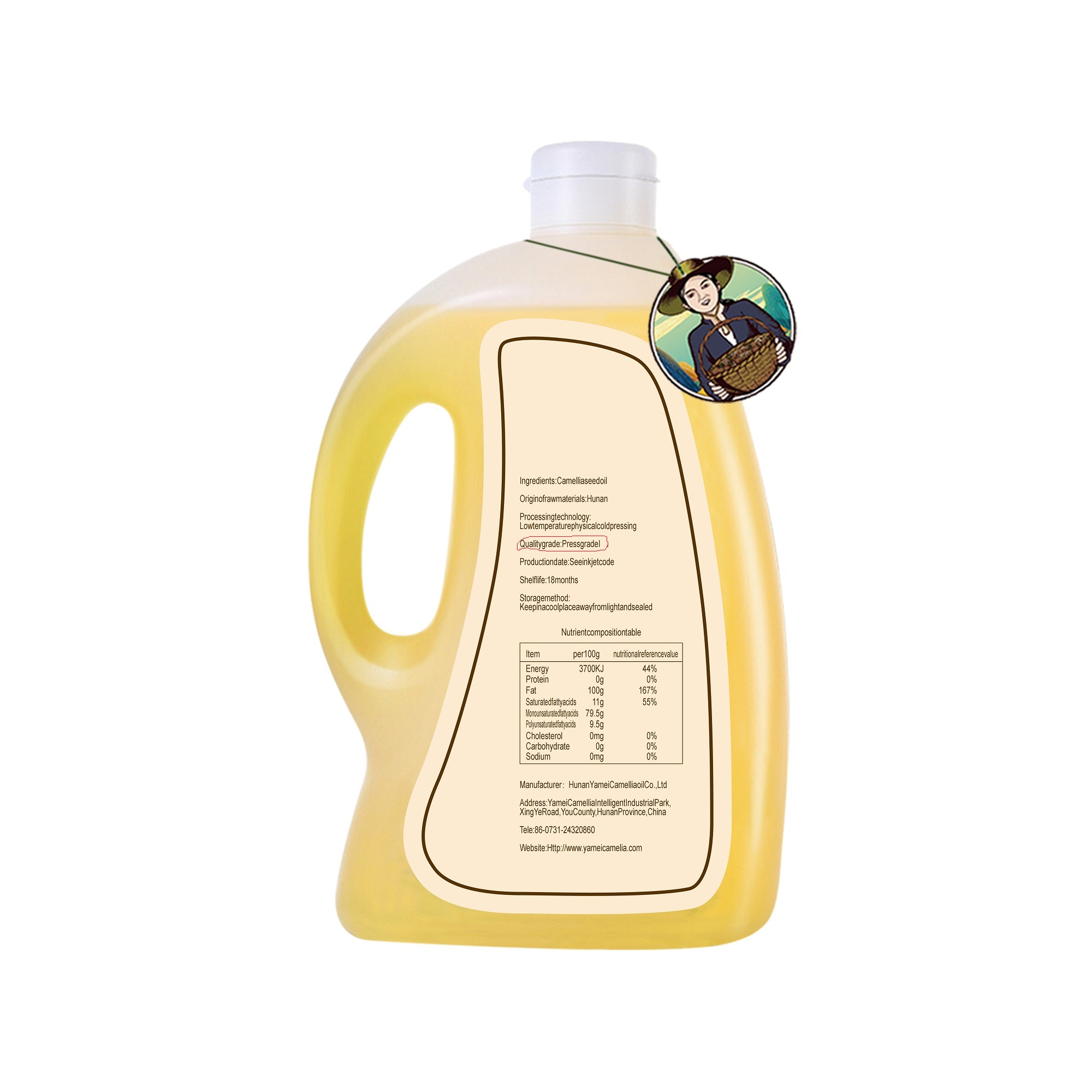
According to China's edible oil management measures, the packaging of edible oil must be marked with "pressing method" or "leaching method". For example, the packaging of camellia oil in Dakseed clearly indicates "low temperature physical pressing level I".
3.See transparency
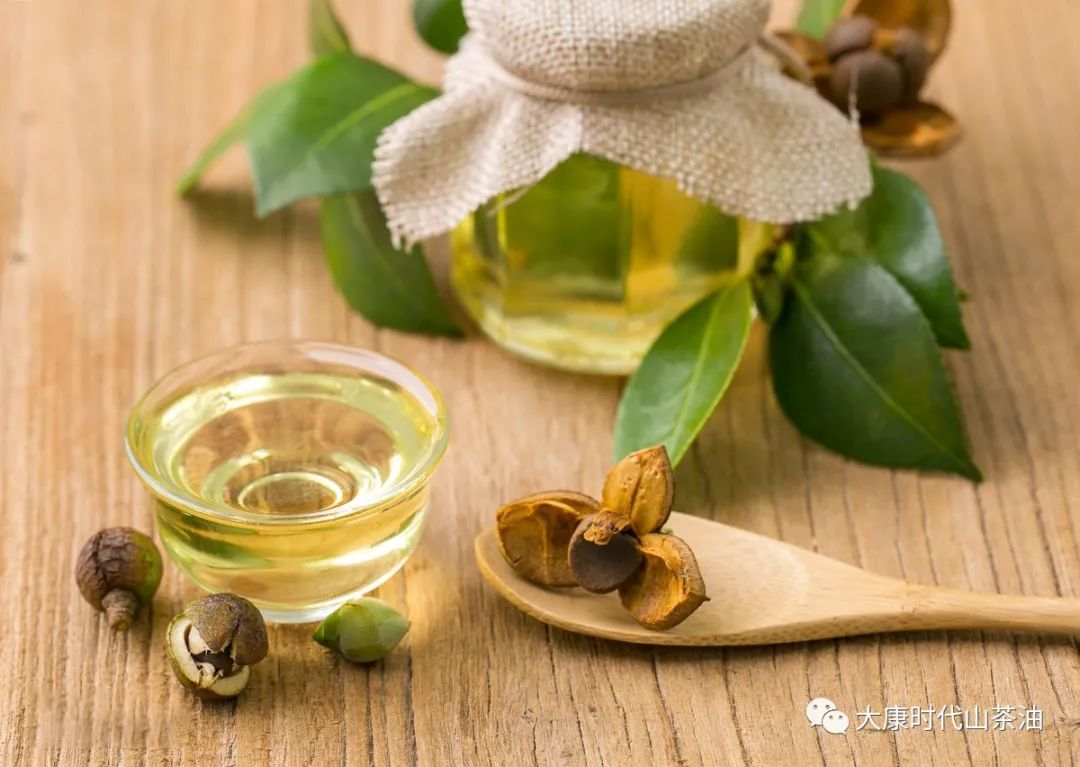
Transparency is one of the main sensory objectives to reflect the purity of oil. It should look transparent rather than muddy. The high-quality edible oil should be free of fog, suspended solids, impurities, dirt and good brightness by naked eye observation in the bright place.
4.Look at the camellia oil packaging
From the packaging, we can obtain important information such as processing technology, grade, shelf life and production date. The storage period of camellia oil is related to the packaging material. It is recommended to buy glass bottles, tinplate and other opaque gift boxes for packaging, so that the camellia oil can be kept for a long time. The shelf life and QS certification mark on the package label are also information that needs attention.
5.Look at the quality of camellia oil
The quality of camellia oil is good or bad, on the one hand, the internal physical and chemical indexes are required to meet the national standards, on the other hand, it needs to be determined through the senses. Pour the camellia oil to be evaluated into a small glass, keep your palm close to the bottom of the glass, shake it gently, and slowly heat the tea oil with the temperature of your palm. The camellia oil with good quality has the following characteristics:
1) The oil observation body is bright, yellow or golden yellow.
(2) It smells of camellia oil.
(3) The taste is smooth, and there is an obvious fragrance of camellia oil at the back of the throat.